
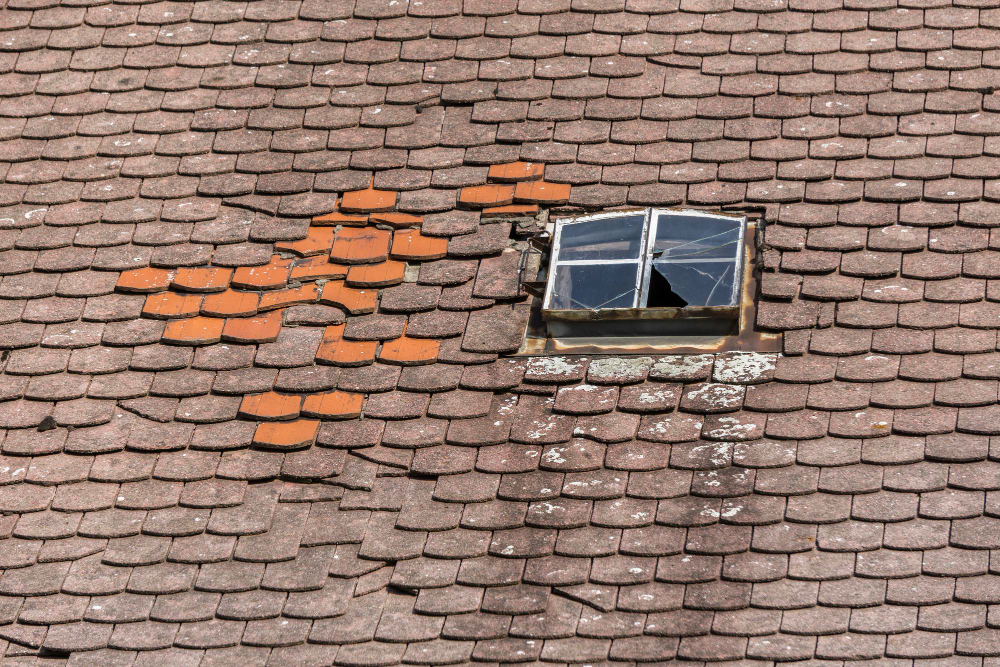
Insurance Won't Pay For Roof Damage? Here's What To Do

If your insurer won’t pay for roof damage, it’s usually because they think it was caused by wear and tear, poor maintenance, or gradual deterioration rather than a sudden insured event like a storm. Winning the claim typically comes down to proving the storm (or other insured peril) was the main cause and backing that up with strong evidence.
According to the Association of British Insurers (ABI), 2023 saw record-high weather damage claims. This coincided with a rise in claim rejections, with the Financial Conduct Authority (FCA) reporting fewer home claims in 2024 than in 2022.
Unsurprisingly, roof damage is one area where disputes are especially common.
While most policies cover sudden structural problems such as storm damage or falling trees, many claims are rejected because of poor maintenance, gradual deterioration, or unclear policy wording. With repairs often costing thousands, knowing exactly what your insurance includes is essential. In this guide, we explain what roof damage is usually covered, why claims get rejected, and what to do if yours is declined.
In this guide, we break down what roof damage is usually covered, why claims get rejected, and what you can do if yours is declined.
What does home insurance cover for roof damage?
UK buildings insurance typically protects the structure of your property, including the roof, walls, and floors. When it comes to roof damage, the key difference is between sudden, unexpected disasters and gradual issues.
Most insurers expect you to keep a well maintained roof. If there are obvious signs of neglect, missing tiles, moss build-up, or leaks, you’re likely to face challenges when making a home insurance claim.
For high-value homeowners, choosing a policy that reflects how your property is maintained and used. rivr’s combined home insurance includes tailored buildings cover, a fast, online claims process, and (if your home becomes uninhoabitable) up to three years’ alternative accommodation.
How much do roof repairs cost?
Indicative costs only, updated January 2026. Roof repair prices vary by roof type, access and scaffolding, extent of water ingress, material matching, and any listed building requirements.
Sources: Checkatrade, MyJobQuote, Roofing Association UK, RBG Ltd
Common reasons insurance won’t pay for roof damage
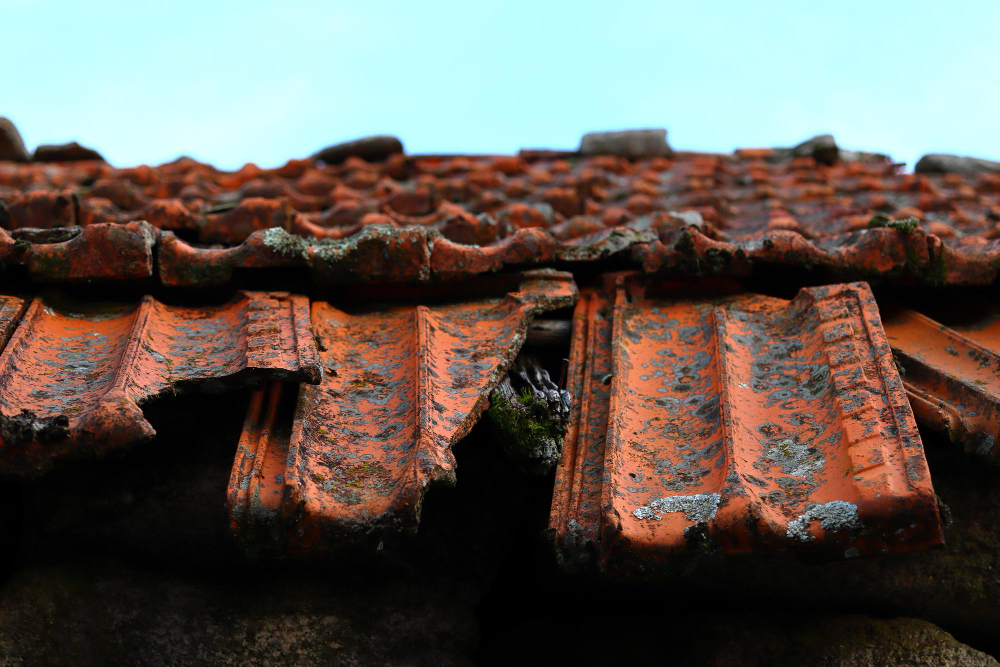
If your claim is rejected, it’s usually because the insurer believes the damage could have been avoided or it falls outside the scope of your policy. Here are the most common reasons:
1. Gradual deterioration
Roofs don’t last forever. Over time, tiles slip, flashing corrodes, and roof timbers can rot. This slow decline is known as wear and tear and is not covered by standard policies.
Insurance is designed for sudden and unexpected events (like a storm), not the natural ageing of your property.
2. Poor upkeep
Insurers expect you to take reasonable care of your home. If you haven’t replaced missing tiles, cleared blocked gutters, or fixed a leaking roof when you first spotted it, they may say you failed to maintain the roof.
A poorly maintained roof is seen as a preventable problem, which makes it difficult to justify an insurance claim.
3. Pre-existing issues
Any roof damage that was there before your policy started, or that you failed to declare when you took out your policy, is unlikely to be covered.
For example, if you knew there were damaged tiles or a sagging roof structure when you bought the property, the insurer will not pay for roof repairs.
4. Missed policy conditions
Many insurance providers have conditions you must follow, especially for properties with specialist features like flat roofs or thatched roofs. Some require professional inspections every few years, particularly for older properties.
If you haven’t met these conditions, or you can’t provide the requested inspection records, your claim may be rejected.
5. Damage not caused by an insured event
Insurers only pay for damage caused by something your policy lists as a covered event, such as fire, storm, or a falling tree. If the cause is unclear or the insurer decides it was due to neglect, design flaws, or long-term deterioration, they may refuse to pay.
Types of roof damage typically covered
While every policy is different, most standard buildings insurance policies will cover roof repairs when a specific, sudden event causes the damage. Here’s what’s usually included:
1. Storm damage
High winds, heavy rain, snow or hail can damage roofs by lifting tiles, breaking ridge tiles, damaging flashing, or lifting sections of a flat roof.
What insurers usually mean by “storm”
ABI guidance says a storm is a period of violent weather usually deemed to involve one or more of the following: gusts of at least 55mph, rainfall of at least 25mm per hour, snow depth of at least 30cm in 24 hours, or hail intense enough to damage hard surfaces or break glass. These thresholds are guidance, and insurers will still look at the facts and your policy wording.
How storm roof disputes are assessed
If a claim is declined, the Financial Ombudsman Service (FOS) typically considers whether storm conditions occurred at the property (or very close by), whether the damage is consistent with storm damage, and whether the storm was the main cause (rather than wear and tear or gradual deterioration). This is why local weather evidence and clear roof inspection findings matter.
Further guidance
2. Fire or explosion
If your roof is damaged or destroyed in a fire, your insurer will usually pay for the repair or even a full roof replacement if necessary. This also applies to explosions, which can cause extensive structural damage.
3. Falling objects (including trees)
A tree or large branch falling onto your home can crush tiles and even break through the roof structure. Insurers normally cover roof damage caused by falling trees, as well as objects like chimney pots or debris dislodged in storms.
4. Vandalism or malicious damage
If someone deliberately damages your roof, such as breaking tiles or damaging roof timbers, this is generally covered. You may need a police crime number as evidence for your insurance claim.
5. Accidental damage (if you have this cover)
Some policies include optional accidental damage. This can cover things like accidentally putting your foot through the ceiling during DIY work or dropping heavy equipment on a flat roof. Check your policy documents, as not all plans include this level of insurance coverage.
What’s often excluded
Not all roof problems are covered. Many policies exclude:
- Gradual deterioration (wear and tear)
- Poor maintenance or neglect
- Design flaws or faulty construction work
- Roofs made from specialist materials (e.g. thatched roofs), unless you have a tailored policy
- Older flat roofs beyond a certain age
Because the repair cost can be high, it’s important to know in advance what’s included. If you’re unsure, speak to your insurer or broker before you ever need to make a claim.
How to make a successful claim for roof damage

Gather strong evidence
Insurers want clear proof. Before starting any urgent repairs, take:
- Photos and videos of the damaged roof and affected areas inside your home
- Inspection reports from a professional roofer (if available)
- Maintenance logs showing you’ve kept the roof in good condition
Follow the claims process
.png)
- Contact your insurer as soon as you notice a leaking roof or missing tiles.
- Arrange emergency repairs to prevent leaks from worsening (keep receipts for reimbursement).
- Submit photos, inspection reports, and policy documents to your insurer.
- The insurance company may send a loss adjuster to inspect the damage and confirm the cause.
Submitting a detailed insurance claim quickly improves the likelihood that your insurer will cover roof damage caused by storms or other unexpected disasters.
What to do if your claim is rejected
Understand the reason
If your insurance company won’t pay for roof damage, ask for a written explanation. The main reasons usually include:
- The roof wasn’t maintained
- Damage was pre-existing or gradual
- Conditions of your home insurance policy weren’t met
Gather more evidence
- Obtain a second opinion from a professional roofer
- Provide additional inspection reports
- Show receipts for recent urgent repairs or regular inspections
Appeal the decision
- Write a formal appeal to your insurer
- Escalate the issue to the Financial Ombudsman Service if you’re unsatisfied with the response.
- Seek independent advice from consumer bodies if needed
Many roofing companies can also provide reports or statements that help strengthen your appeal.
Insurers must justify any rejection with clear evidence. The Ombudsman expects insurers to provide inspection reports, photographs, or expert assessments. Claims cannot be denied based on assumptions or limited checks.
Checklist: How to keep your roof insured
For empty homes, you may need specialist unoccupied building insurance.
Setting aside a small fund for minor roof repairs ensures you’re prepared for the occasional rainy day when issues arise.
Case studies
- Claim paid: A homeowner with a well-maintained roof lost several roof tiles during a major storm. Because they had regular inspection reports and acted quickly, the insurer approved full coverage for the roof repairs.
- Claim denied: A property owner ignored minor leaks and broken tiles for months. When a tree fell and caused structural damage, the insurer rejected the roof claim, citing neglect and pre-existing damage.
These examples show how several factors such as maintenance history, evidence, and swift reporting, impact the success of a claim.
Conclusion
Roof damage is stressful, but knowing what’s covered and acting quickly makes a difference. Insurance usually pays for sudden damage, not long-term wear. Keep your roof in good condition, record inspections, and handle issues promptly to strengthen any future claim.
rivr: High-value homes insurance that puts you first

We provide tailored buildings and contents cover for high-value homes. This includes protection against storm damage to your roof, cover for valuable possessions worldwide, and up to 36 months of alternative accommodation if your home becomes uninhabitable. With clear terms and fast digital claims support, you will always know what is included and what is not.
Contact our team and protect your home, roof, and lifestyle with confidence.

Read more

.jpg)
Frequently asked questions
Most rejections come down to cause. Insurers often decline roof claims if they believe the damage was mainly wear and tear, gradual deterioration, or poor maintenance, rather than a sudden insured event like a storm. The Financial Ombudsman Service (FOS) will look at whether storm conditions happened, whether the damage matches storm damage, and whether the storm was the main cause.
Sometimes, but usually only if a whole replacement is necessary to fix insured damage. Buildings policies are generally designed to put you back in the position you were in just before the damage happened (often via repair, replacement, or a cash settlement). If the issue is judged to be gradual damage/wear and tear, insurers (and FOS) are unlikely to treat a full replacement as covered.
It depends on what caused the leak. If the leak is a result of an insured event (for example, storm damage that displaced tiles), it’s more likely to be covered under buildings insurance. If the leak is due to gradual deterioration (like aged felt, failed flashing, or long-term poor condition), it’s commonly excluded.
The ABI's definition of a storm is violent weather usually involving one or more of: 55mph gusts, 25mm/hour rainfall, 30cm snow in 24 hours, or damaging hail. Many policies don’t define “storm” precisely, so insurers and FOS also look at local weather evidence and whether the damage is consistent with storm impact.
The strongest evidence usually includes
- Photos or video with dates
- A roofer or surveyor report explaining the likely cause
- Any maintenance or repair records you have
- Local weather details around the date of damage
If the claim is disputed, FOS often considers local weather, property condition, and damage consistency. With rivr, you can contact our claims team straight away, and we’ll guide you on the evidence needed to assess your claim quickly.
Document the damage (photos/video), take safe temporary steps to prevent further damage, and notify your insurer as soon as possible. If the claim is disputed, your outcome usually depends on showing what caused the leak and whether it was sudden storm damage or a gradual issue.
Your landlord is generally responsible for major repairs to the structure (which typically includes the roof). Contents insurance is for your belongings, not the building, though you may still be able to claim for damaged items depending on your cover and the cause. If repair issues or failures cause damage, you may also have routes to seek compensation from your landlord, depending on circumstances.
Start by asking your insurer for a written explanation and the evidence they relied on (for example, an inspection report). If you still disagree, make a formal complaint; insurers generally have 8 weeks to respond. After their final response, you usually have 6 months to take it to the Financial Ombudsman Service.
rivr’s Home Emergency cover can arrange a contractor to make a temporary repair when missing, broken or loose tiles are causing internal water damage. It excludes, for example, flat roofs over 10 years old, roofs not satisfactorily maintained, and access costs like scaffolding.
