
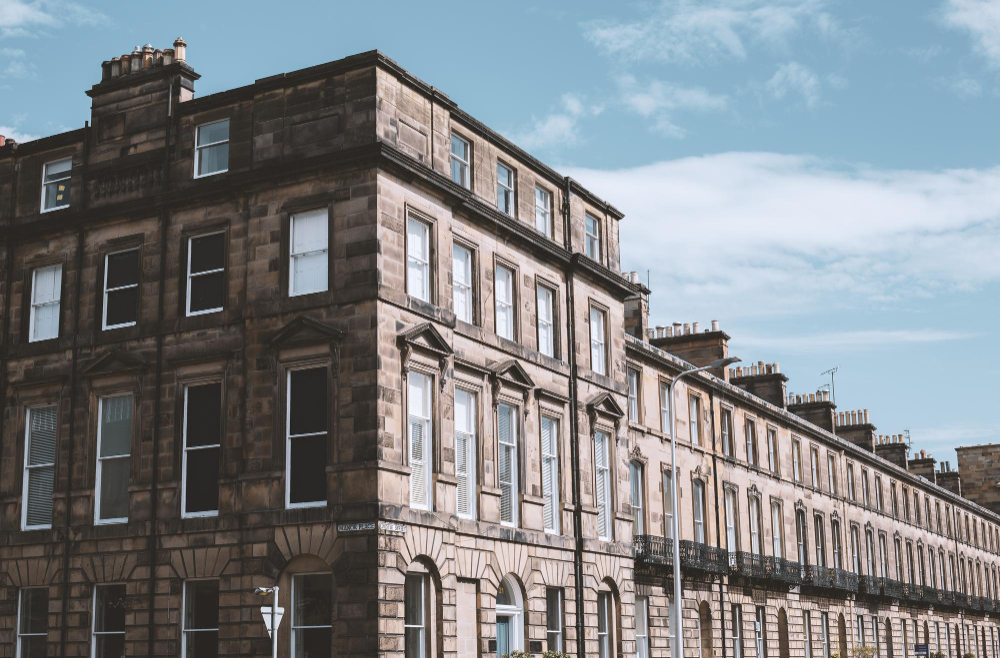
How much would it cost to insure my listed building?

If you own a listed building in the UK, you’ll usually pay more for home insurance than for a standard property. Market data suggests buildings-only listed building insurance often lands in the high £300s for many Grade II homes and £500+ for some Grade I properties. Combined buildings and contents cover commonly falls somewhere around £500 to £700 a year.
If your listed home is your main residence, rivr offers digital-first listed building insurance up to £3,000,000, for primary residences, built around full rebuild costs, traditional materials and the consent requirements that come with protected buildings. Cover is subject to underwriting criteria, property survey, and policy terms and conditions.
What is listed building insurance?
Listed building insurance is a form of home insurance designed for properties on the statutory list of buildings of special architectural or historic interest. In practice, it is buildings insurance that recognises your building’s heritage, legal protections and the need to repair or rebuild with appropriate methods and materials, not just standard modern replacements.
A typical listed building insurance policy focuses on buildings insurance for the structure, paying to repair or rebuild after sudden, unforeseen physical loss or damage unless specifically excluded, not just named events like fire, storm or escape of water. Many policies also offer alternative accommodation cover while the property is being restored, and some combine buildings and contents insurance so your belongings are protected under the same insurance cover.
Because listing reflects architectural or historic interest, insurers usually expect you to keep the property in good repair and to follow any listed building consent requirements.
How much does listed building insurance cost?
There is no exact number that fits every listed property, because premiums are set case by case. Even so, market studies show that listed building insurance is usually more expensive than standard buildings insurance.
*Indicative medians from UK price-comparison customer data. Premiums vary by rebuild cost, construction, location and risk profile.
The primary driver is the rebuild cost rather than the market value. Listed building insurance costs also vary with the property’s age, building type, location, construction and grade.
Homes from a particular period (such as Georgian or Victorian townhouses, and Grade I properties classed as particularly important buildings of exceptional interest) usually attract higher premiums because repairs are more tightly controlled and more expensive.
How are listed buildings classified in the UK?
A listed building is a property identified as having historical or architectural significance that is legally protected and regulated. The aim is to celebrate legacy architecture, preserve buildings of special architectural or historic interest and protect them for future generations.
The UK holds around 500,000 listed buildings, from modest cottages to major examples of civic and religious architecture, and each one is treated as its own piece of history when insurers assess risk.
In England and Wales, listed buildings are graded into:
- Grade I: buildings of the greatest importance and exceptional interest
- Grade II*: particularly important buildings of more than special interest
- Grade II: buildings of special interest that warrant every effort to preserve them
Most listings in England are Grade II, which often include good examples of a building type or representative examples from a particular period. Historic England manages the National Heritage List for England, while similar statutory lists operate in Scotland and Northern Ireland.
If your property appears on a statutory list or has listed building status, your local planning authority and local council will expect you to preserve its architectural importance and historical interest, and many works will require listed building consent.
Because of these rules, insuring a listed building usually needs a specialist insurer with experience of conservation rules, and often the input of a home insurance expert or chartered surveyor.
What factors influence the price of listed building insurance?
Several factors influence what you will pay to insure a listed home, and they often weigh more heavily than they would for a standard modern house.
Building and location factors
- Rebuild cost: the estimated cost of repairing or rebuilding using appropriate materials and specialist tradespeople.
- Listing grade: Grade I properties often carry higher premiums than Grade II because of tighter controls and more complex work.
- Age and construction: older homes or those with non-standard construction are usually more expensive to repair, especially if there are damp patches, structural issues or historic features.
- Location and access: being in a conservation area, a remote rural setting or certain parts of Scotland, Wales or Northern Ireland can increase costs because access for repairs is more difficult and local risks vary.
Usage, security and history
Insurers also look at how you use the property, your claims history and your security measures. A well maintained family home with modern locks and alarms may present a different risk from a rarely occupied building. Previous claim history, especially for fire, subsidence or escape of water, will be factored into the price.
Because listed buildings are so individual, many insurers recommend a specialist chartered surveyor valuation to set the right rebuild cost before they provide a listed building insurance quote.
What does a listed building insurance policy usually cover?
Standard home insurance may not give enough protection for a listed building and can even risk problems if it does not recognise listing. A dedicated listed building insurance policy is usually tailored to architectural or historic interest and heritage-sensitive repairs.
Typical buildings insurance features for a listed home can include:
- Cover to repair or rebuild the structure after an insured event such as fire, storm or certain types of damage caused by escape of water
- Specialist trades and approved materials for structural repairs that respect the building’s heritage
- Alternative accommodation cover if the home is uninhabitable during remedial work
- Accidental damage to the structure (if added as optional cover), within limits, for unexpected incidents affecting floors, panelling or glazing
- Subsidence repairs if part of the building starts to slip or crack, subject to the policy wording
Contents insurance is not always included automatically. If you want your furniture, clothing, tech and other belongings protected, you will usually choose a combined buildings and contents insurance policy or arrange separate contents cover. For antiques, art or collections, you might need more cover or higher single-item limits than you would see on a typical buildings insurance policy.
Many listed building policies also offer home emergency options, legal protection to help with certain legal costs, and higher limits for heritage-specific risks. The key is matching your insurance cover to the real cost of reinstating the property if serious damage occurs.
What isn’t usually covered for a listed home?
Even for listed buildings, many exclusions will look similar to a modern buildings insurance policy. They can feel more significant, though, because repair costs are higher.
Common exclusions or limitations can include:
- Routine wear and tear or gradual deterioration
- Damage linked to poor maintenance or unauthorised changes that should have had listed building consent
- Some types of damage caused by vermin, insects or rot
- Malicious damage by people insured under the policy
- Certain incidents in the garden, walls or fences unless the wording clearly offers more cover
Because of the regulatory framework around buildings of special architectural or historic interest, it is important to read your policy details and, if needed, contact your local authority or local council before major works. Unapproved alterations can sometimes lead to legal action and may affect how an insurance claim is handled.
How can you reduce the cost of listed building insurance?
You are unlikely to pay the same as an owner of a modern standard house, but you can still manage cost sensibly.
Ways to help control premiums include:
- Compare quotes from different specialist insurer options so you understand how each views the risk
- Pay annually rather than monthly, which can avoid extra interest and admin fees
- Avoid over-insurance by basing sums insured on a professional valuation instead of a rough guess
- Build a no-claims bonus over time by limiting small claims where possible
- Install smoke alarms, intruder alarms and other safety measures to reduce the chance of a serious insured event
- Combine buildings and contents insurance in a single policy where that is cheaper than buying them separately
Regular maintenance also matters. Owners of a listed property are responsible for its upkeep, and simple checks can reduce the risk of major repairs. It is sensible to look for cracked or slipped tiles, blocked gutters and signs of damp patches, watch for cracks that might signal subsidence, prune problem trees and tackle invasive plants early.
Good maintenance can reduce the likelihood of needing to claim and helps protect the building’s importance and architectural significance.
Do you always need consent before work and how does that affect insurance?
Many changes to a listed home require listed building consent, especially where works might affect special architectural or historic features. In England and Wales, this falls under the Planning (Listed Buildings and Conservation Areas) Act 1990, and you usually apply to your local planning authority. Guidance often comes from Historic England or similar bodies in Scotland and Northern Ireland. The need for legal and planning consent can slow and complicate repairs but also helps preserve buildings of special interest and other outstanding examples in the national stock.
Good listed building insurance should take these obligations into account, including potential professional and compliance costs. However, if you make changes without consent, you may face legal costs and difficulties if a later claim relates to that unapproved work. It’s wise to check with your local council or a conservation officer before major alterations so your insurance cover and statutory duties stay aligned.
Final checklist before you insure your listed home
How rivr approaches high value and listed homes
rivr is a digital-first specialist for high value homes and primary residences in the UK, including listed properties. For suitable homes, rivr structures buildings insurance and contents insurance within a combined home insurance policy that reflects realistic rebuild cost, heritage-sensitive repairs and the specific risks that come with owning a listed home.
Talk to a professional adviser and explore how rivr could support your listed property, with a human team available to help when it matters most.

Read more

.jpg)
Frequently asked questions
Yes. Listed buildings are usually more expensive to insure than standard homes because repairs often need specialist trades, traditional materials and compliance with conservation rules. All of that increases the likely cost of an insured event, so insurers generally charge higher premiums for listed building insurance.
There is no single figure that suits all Grade II homes, because several factors affect premiums.
Your own quote will depend on rebuild value, location, security and claims history.
In general, Grade I buildings are more expensive to insure than Grade II, because they are seen as buildings of special and sometimes exceptional interest with stricter preservation rules. That usually means higher rebuild cost, more complex repairs and greater importance in planning terms, so listed building insurance premiums are often higher for Grade I homes.
You might not be legally required to use a chartered surveyor, but most insurers strongly recommend it. Listed building rebuild cost is hard to estimate without specialist input, and a professional valuation helps you set realistic sums insured and reduces the risk of being underinsured if you ever need to claim on your buildings insurance policy.
Standard home insurance can sometimes cover a listed property, but it may not fully reflect the extra cost and complexity of heritage-sensitive repairs. In some cases, using a generic policy could cause problems at claim stage, especially if the insurer did not understand the listing or the architectural importance of the building. Many owners prefer specialist listed building insurance cover for that reason.
Listed building insurance usually focuses on the buildings themselves. Contents insurance is not always included automatically, so you may need a combined policy if you want both buildings and contents covered. For higher-value items, antiques or collections, you might need extra limits or specified items to make sure your insurance actually reflects the value at risk.
Yes. We can provide cover for Grade 1 or A, Grade 2 or B, and Grade 2* listed buildings. Each property is assessed individually and evaluated on a case by case basis.
